-
Best and Worst Foods for People with Vertigo
Feb 24, 2025
Vertigo can be a debilitating condition, making everyday tasks challenging due to dizziness and balance issues. While medical treatment is essential, diet also plays a significant role in managing symptoms. Certain foods can help reduce vertigo episodes, while others may worsen them. Understanding the connection between diet and vertigo can help improve your overall well-being.
Best Foods for Vertigo
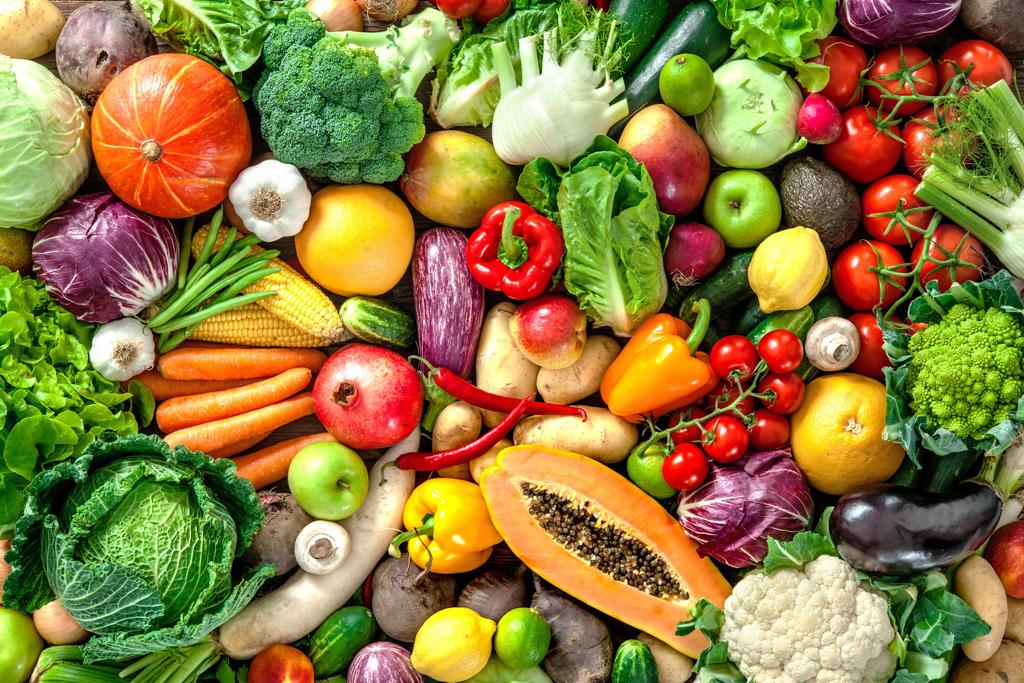
1. Hydrating Foods
Dehydration is a common cause of dizziness and vertigo. Consuming hydrating foods can help maintain fluid balance in the body.
-
Cucumbers
-
Watermelon
-
Oranges
-
Leafy greens
2. Foods Rich in Vitamin B12
Vitamin B12 deficiency can contribute to dizziness and balance problems. Incorporating these foods into your diet can help:
-
Eggs
-
Fish (salmon, tuna, sardines)
-
Lean meats (chicken, turkey, beef)
-
Dairy products (milk, yogurt, cheese)
3. Magnesium-Rich Foods
Magnesium helps regulate nerve function and may reduce vertigo symptoms.
-
Almonds
-
Avocados
-
Bananas
-
Dark chocolate
-
Spinach
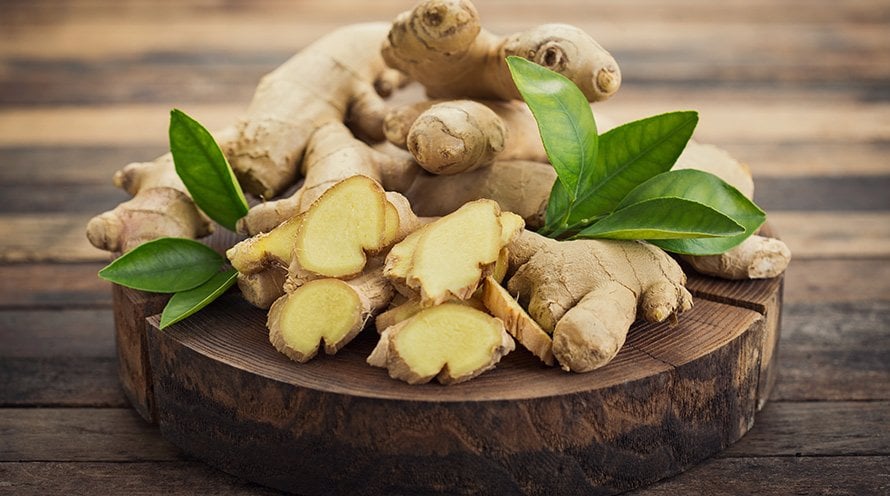
4. Ginger
Ginger has been widely recognized for its ability to reduce nausea and dizziness.
-
Fresh ginger tea
-
Ginger candies
-
Adding fresh ginger to meals
5. Omega-3 Fatty Acids
Omega-3s support brain and inner ear function.
-
Fatty fish (salmon, mackerel, sardines)
-
Chia seeds
-
Flaxseeds
-
Walnuts
Worst Foods for Vertigo
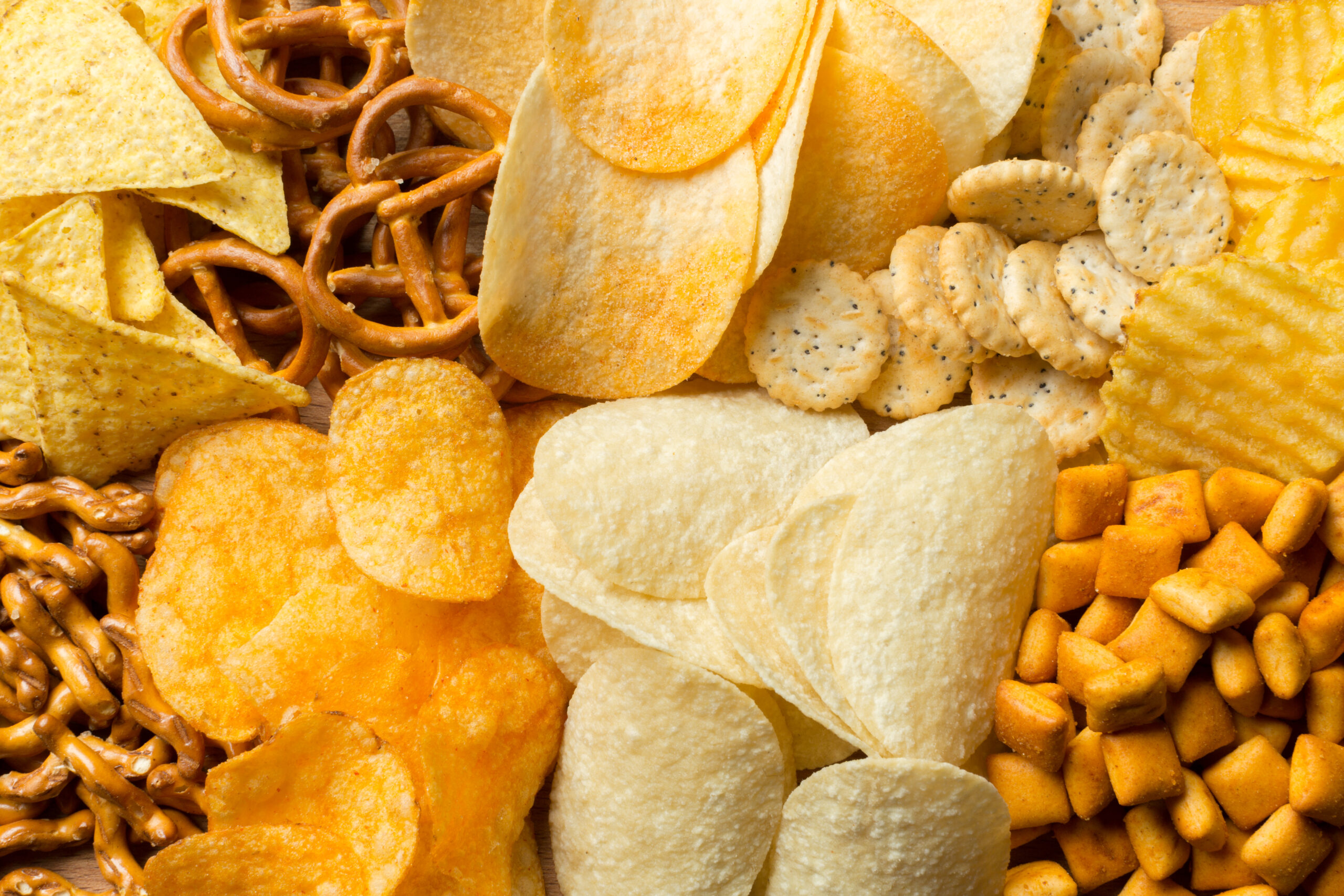
1. Salty Foods
Excess sodium can cause fluid retention in the inner ear, worsening vertigo symptoms.
-
Processed snacks (chips, pretzels, crackers)
-
Canned soups and vegetables
-
Fast food
-
Deli meats
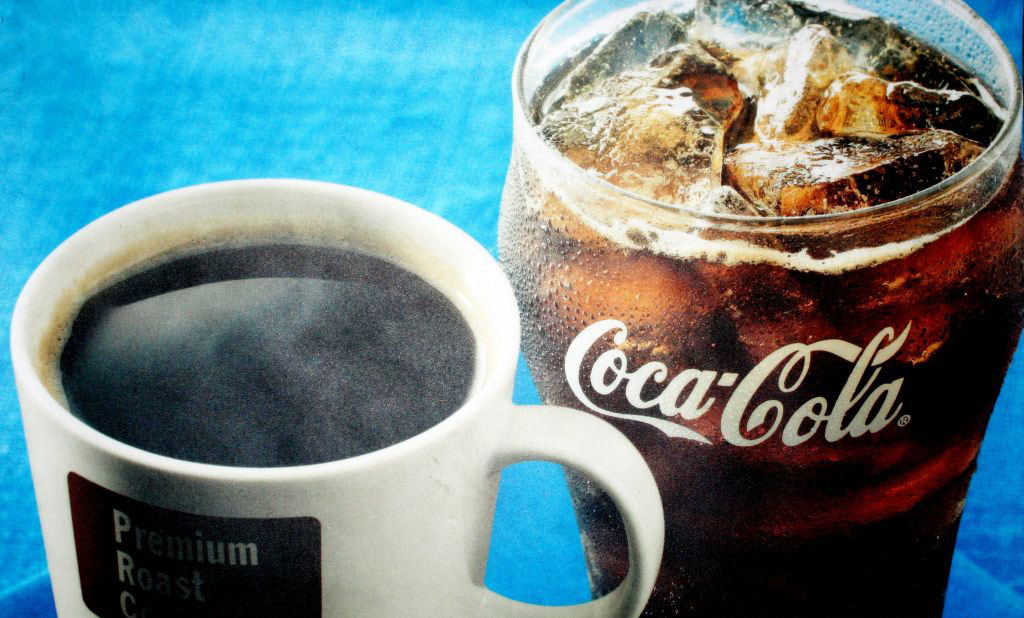
2. Caffeine
Caffeine can overstimulate the nervous system and contribute to dizziness.
-
Coffee
-
Energy drinks
-
Soda
-
Chocolate
3. Alcohol
Alcohol affects the inner ear and brain, leading to dehydration and worsening vertigo.
-
Beer
-
Wine
-
Liquor
4. Sugary Foods
High sugar intake can cause blood sugar fluctuations, leading to dizziness.
-
Pastries and cakes
-
Sugary cereals
-
Soft drinks
-
Candy
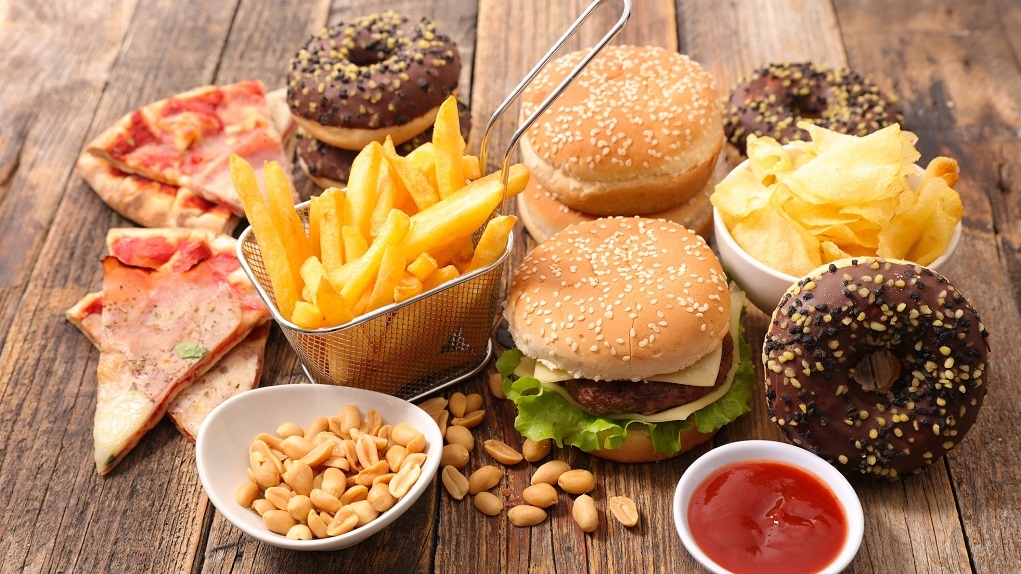
5. Processed and Fried Foods
These foods can increase inflammation and disrupt inner ear function.
-
Fried chicken
-
French fries
-
Processed frozen meals
Conclusion
A balanced diet plays a crucial role in managing vertigo. Staying hydrated, incorporating nutrient-rich foods, and avoiding trigger foods can help reduce dizziness and improve overall well-being. If vertigo symptoms persist, consult a healthcare professional for further guidance.
-

Comments
- (no comments)